Therapy & Rehab
Inspire is streamlining its therapeutic programme to better reflect the needs of the organisation. The therapeutic services offered include a range of interventions tailored to address the diverse needs of individuals with physical, cognitive, and developmental disabilities,within the programmes. Through a holistic approach, Inspire aims to empower individuals with disabilities to reach their full potential and achieve greater independence. The therapies program encompasses various modalities, including physical therapy, occupational therapy, speech therapy, and animal therapy, together with psychotherapy delivered by a team of highly trained professionals. Each therapy session is personalised to meet the unique needs and goals of the individual, with a focus on promoting functional abilities, improving mobility, enhancing communication skills, and fostering social inclusion.
STAR (Specialised Therapeutic and Rehabilitation)
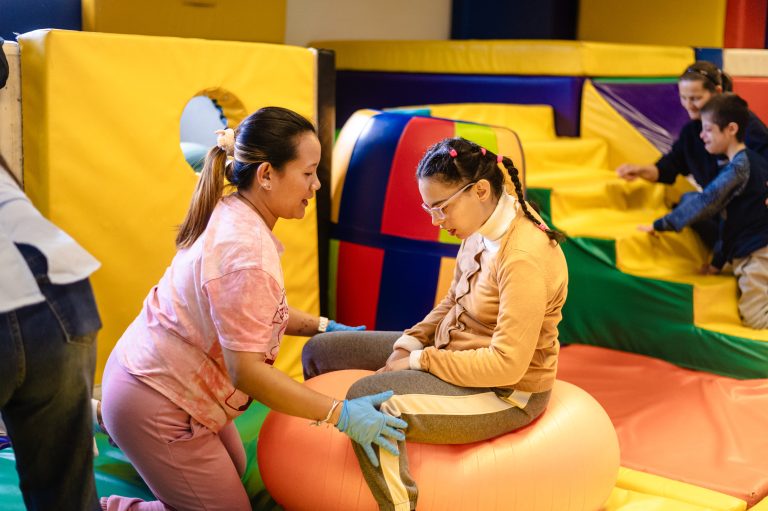
STAR is a day programme supporting several young men and women who have profound & complex neurological, motor & sensory difficulties.
REHAB and WELLNESS CENTRE
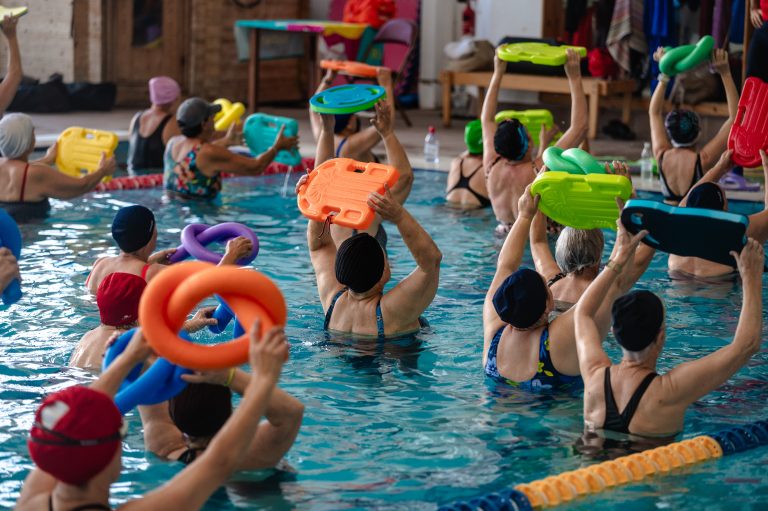
At the Inspire Rehabilitation and Wellness Centre in Marsascala, individuals can benefit from different services and make use of a number of facilities including a fully accessible 25 metre therapeutic heated indoor pool.
FAQs
Inspire provides therapeutic support as part of its wider education and disability services.
The STAR Programme is a specialised therapeutic and re/habilitative service for adults with profound multiple learning disabilities. It is supported by a multidisciplinary team that include an Occupational Therapist, Physiotherapist and Speech and Language Pathologist. The therapists work collaboratively with the individuals, support workers and families, using an active support approach to promote participation, communication, functional abilities and quality of life.
Inspire’s education programmes are also supported by Speech and Language Pathologists, Occupational Therapists and Psychology Assistants, who contribute to the assessment, planning and delivery of support according to the needs of the learners.
In addition, Inspire offers complementary therapeutic services, including Multi-Sensory Rooms (MSR), Therapeutic Horse Riding (THR) and pool sessions. These services complement the educational and therapeutic work undertaken within the programmes and provide additional opportunities for communication, sensory regulation, physical development, participation and engagement.
Inspire’s therapeutic services are integrated into a broader, multidisciplinary approach rather than operating separately from education and support.
Yes. Inspire provides education programmes that incorporate evidence-informed approaches to support autistic children and young people.
Programmes including STEP IEI, STEP Forward, STEP Beyond, the School Outreach Programme and LinC use structured and individualised approaches to support communication, social interaction, learning, functional skills, participation and independence.
Inspire incorporates principles from approaches such as TEACCH and SPELL, adapting strategies to the individual learner rather than applying a single approach in the same way to every child.
It is also important to distinguish between autism support within an educational programme and clinical therapy for autism. Inspire’s programmes are designed to support the child’s development, learning, communication, participation and quality of life. The precise support provided is determined by the individual’s needs and the objectives of the programme.
Occupational therapy (OT) helps people develop, maintain or improve the skills they need to participate in everyday activities. For children, this may include activities related to learning, play, self-care, communication, movement, sensory processing and participation in school and community life.
Within Inspire’s education programmes, Occupational Therapists work as part of the wider multidisciplinary team to understand a learner’s strengths and areas of difficulty and to identify practical strategies that can support participation and independence.
For example, OT input may contribute to goals relating to personal care, functional daily-living skills, fine and gross motor skills, sensory needs, activity participation, regulation and independence. The focus is not simply on developing an individual skill in isolation, but on helping the child use that skill meaningfully in everyday life.
Occupational Therapy is also an important component of the STAR Programme, where the therapist works with adults with profound multiple learning disabilities to support functional abilities, participation, communication, wellbeing and quality of life.
A child may benefit from seeing a Speech and Language Pathologist (SLP) whenever there are concerns about their ability to communicate or understand communication. Speech and language support is not limited to children who are unable to speak. A child may benefit from an SLP when they experience difficulties with areas such as:
- understanding language or instructions
- expressing their needs, wants or ideas
- developing speech
- using social communication
- interacting with other people
- developing functional communication
- using alternative or augmentative communication where appropriate; or
- communicating effectively within everyday environments.
For children with disabilities or developmental differences, early identification of communication needs can be particularly valuable because communication affects many other areas of development, including learning, relationships, independence and participation.
At Inspire, Speech and Language Pathologists work as part of the multidisciplinary team supporting the education programmes and contribute to individualised goals and strategies. The focus is on helping each child communicate as effectively and independently as possible, using methods that are appropriate to that individual.
Physiotherapy supports physical function, movement, mobility and participation. It can be beneficial for people who experience difficulties with movement, strength, balance, coordination, posture or physical functioning as a result of disability, developmental differences or other conditions.
Physiotherapy is particularly relevant to supporting individuals to develop or maintain physical abilities that contribute to their independence and participation in everyday activities. Physiotherapy input may include working on mobility, posture, balance, strength, movement, physical endurance and functional abilities, depending on the individual’s needs and goals.
At Inspire, Physiotherapy is part of the multidisciplinary support provided through the STAR Programme, where the focus is on maintaining and developing the individual’s abilities and supporting participation and quality of life.
The specific physiotherapy intervention depends on the person’s assessment and individual goals rather than simply on their diagnosis.
Access to therapy through Inspire depends on the programme or service through which the individual is receiving support. Inspire’s education programmes are accessed through the relevant referral routes rather than through a general medical-referral pathway. STEP IEI, LinC Day School and the School Outreach Programme, which all contain therapeutic and complementary therapeutic support, are referred through the National Student’s Wellbeing Services (NSWS) under Inspire’s service agreement with MEYR.
STAR referrals are made through Aġenzija Sapport under the relevant service agreement.
Families who are unsure about what service may be appropriate can also contact Pathfinder, which provides free information, guidance and assistance in navigating available disability services and supports.
At Inspire, therapeutic support is individualised and person-centred. Rather than providing exactly the same intervention to everyone with the same diagnosis, the team considers the individual’s strengths, abilities, needs, preferences and goals.
Individual goals are established collaboratively with parents, schools and, wherever feasible, the individuals themselves. These goals are informed by assessment of the person’s needs as well as the objectives of the relevant programme or service.
The multidisciplinary team then works together to determine how therapeutic input can contribute to those goals. This may involve Occupational Therapy, Physiotherapy, Speech and Language Pathology or other forms of support, depending on the individual’s needs.
This approach also recognises that therapy is most meaningful when skills can be used in everyday life. Consequently, Inspire works collaboratively with families, schools, Learning Support Educators (LSEs) and support workers where appropriate, helping to ensure that strategies can be applied consistently across different environments.
The aim is therefore not simply to deliver therapy sessions, but to support the person to achieve meaningful outcomes in their everyday life.
Yes. Inspire provides therapeutic support for adults through the STAR Programme, which supports young men and women aged 22 and over with profound multiple learning disabilities.
STAR is supported by a multidisciplinary therapeutic team, including Occupational Therapy, Physiotherapy and Speech and Language Pathology. The therapists work collaboratively with the individuals, support workers and families, using an active support approach.
Therapeutic intervention is integrated into the person’s wider programme and focuses on maintaining and developing functional abilities, communication, participation, independence and quality of life. This is consistent with STAR’s overall aim of providing meaningful daytime support tailored to each individual’s abilities, needs and preferences.