Education
In our NGO, we believe in creating an inclusive education setup that embraces diversity and ensures equal access to learning opportunities for all individuals, regardless of their background or abilities where every learner feels valued and supported. Our educational programmes a meet the unique needs of each learner implementing specialised instruction that is accredited internationally, whilst also providing complementary therapies and leisure activities that enrich the learning experience for everyone involved. We collaborate with schools and support families within the framework of our educational programmes, helping our learners reach their full potential and eventually contribute positively to society.

STEP IEI
STEP IEI is an Intensive Early Intervention program which caters for children between the ages of three (3) and (5) years, who have a diagnosis of autism.
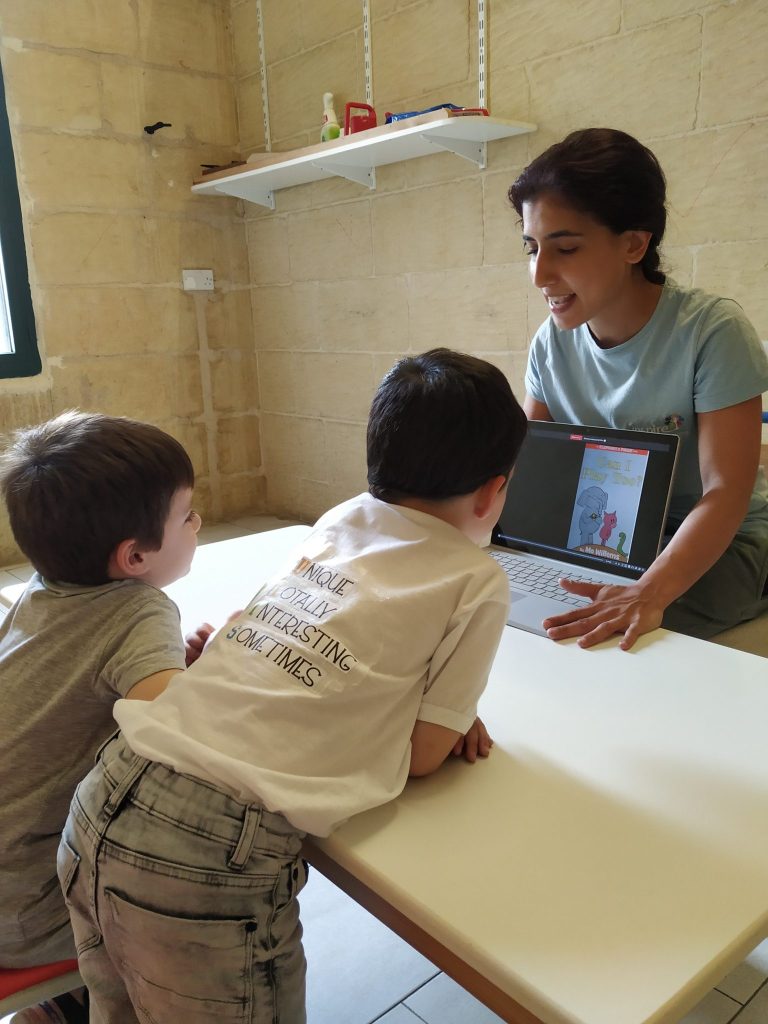
STEP FORWARD
Step forward is an after-school hours programme offered as a continuation to service users,aged five(5) to six(6) years who have completed the STEP IEI, providing group sessions from October to September.
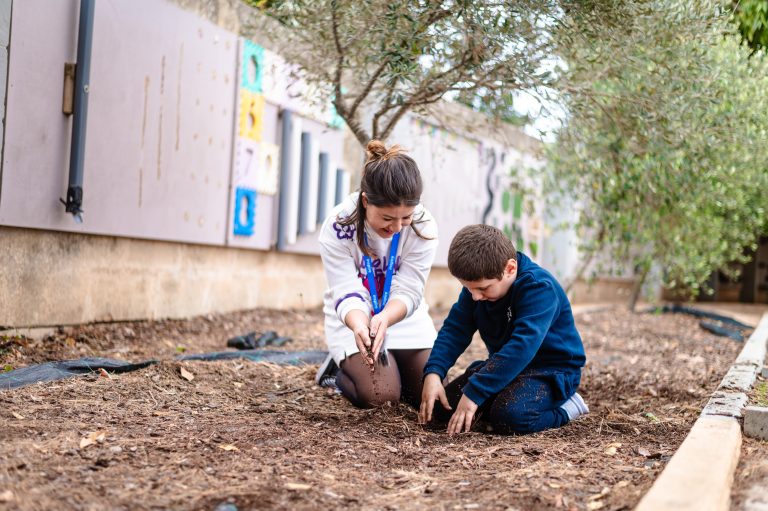
STEP BEYOND 1
STEP Beyond 1 is a tailored programme for children aged 6 to 7 years, focused on developing essential social skills and fostering positive relationships in a small group setting. The programme emphasizes building confidence, promoting social interaction, and creating peer connections within a structured and nurturing environment.
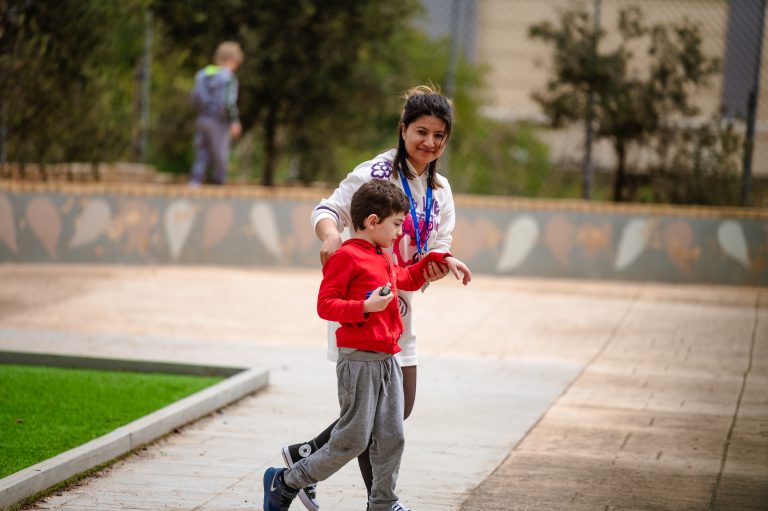
STEP BEYOND 2
STEP Beyond 2 is a structured programme for children aged 7 to 9 years, designed to develop key social skills and practical life skills in a small group setting. The programme focuses on building confidence, promoting positive social interactions, and enhancing independence through practical life skills.
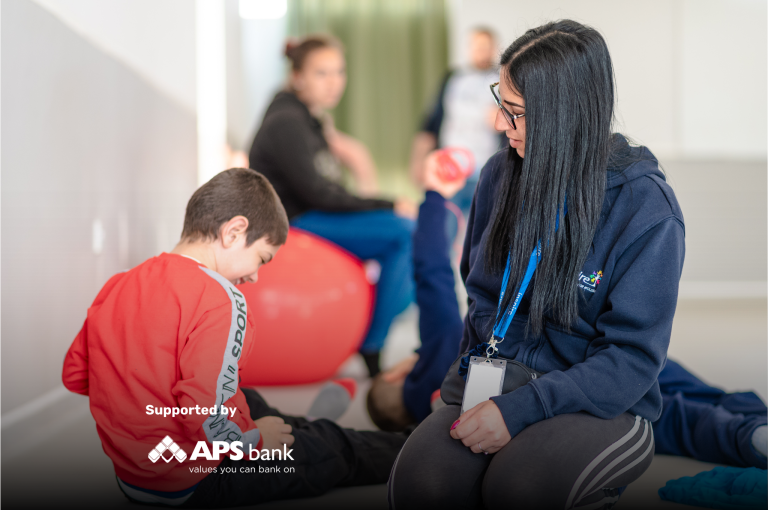
LinC
The Learning in Context Program is designed to target children from Kinder 2 to Year 7 presenting with any type of disability and/or challenging behaviour who previously attended mainstream schools with 1:1 support from an LSE but, were struggling to follow an adapted school/class curriculum.
Supported by APS Bank www.apsbank.com.mt
FAQs
Inspire provides a range of specialised programmes for children, young people and adults, with provision tailored to different ages, abilities and support needs.
For children and young people, these include STEP IEI, STEP Forward, STEP Beyond 1, STEP Beyond 2, the School Outreach Programme and the LinC Day School Programme.
STEP IEI provides intensive early intervention for young autistic children, while STEP Forward supports autistic five-year-olds in developing communication, socio-emotional, functional and school-readiness skills. STEP Beyond 1 and 2 provide additional social, literacy and functional skills support for children approximately 6–9 years of age.
The School Outreach Programme supports learners with disabilities attending mainstream schools, particularly where behaviours of concern are affecting their inclusion and participation. LinC provides a specialised educational environment for primary-aged children with intellectual and developmental disabilities whose needs cannot be adequately met in mainstream education.
For adults, STAR provides a specialised day service for young men and women aged 22 and over with profound multiple learning disabilities. It focuses on quality of life, communication, participation, personal development, social interaction and maintaining and developing functional skills through an active support approach.
Yes. Inspire provides several education programmes specifically designed to support autistic children and young people.
STEP IEI provides intensive early intervention for young autistic children, while STEP Forward supports autistic five-year-olds transitioning from STEP IEI.
STEP Beyond 1 and 2 provide additional support in social, communication, literacy and functional skills for children approximately 6–9 years of age. Parents can self-refer to these pay-per-use programmes.
Autistic learners may also access the School Outreach Programme or LinC, depending on their individual needs, educational circumstances and the eligibility and referral requirements of those programmes.
Across Inspire’s education services, approaches are adapted to the individual learner. The organisation uses evidence-informed approaches, including principles drawn from TEACCH and SPELL, to support communication, predictability, engagement, learning and participation.
Early intervention refers to providing appropriate support, education and therapeutic intervention as early as possible when a child has developmental differences, a disability or additional support needs.
The early years are an important period of development, when children are rapidly developing communication, social, cognitive, emotional, physical and functional skills. Providing appropriate support during this period can help children develop their abilities, build confidence and acquire skills that can support their participation in everyday life.
Early intervention is not about trying to change who a child is. Rather, it is about understanding the child’s strengths and needs and providing the right support to help them communicate, learn, participate and develop in ways that are meaningful to them.
At Inspire, early intervention is individualised. In STEP IEI, for example, children participate in a structured programme focusing on communication, social interaction, functional and developmental skills, alongside educational and therapeutic intervention. Families and schools are also supported so that skills can be transferred beyond the programme into everyday environments.
An important element of effective early intervention is therefore not only what happens during a session, but also how successfully skills and strategies are incorporated into the child’s everyday life at home, in education and in the community.